What Not to Do When Shoveling Snow? Your Safety-First, Friendly Guide.
The beauty of winter is accompanied by frosty flip side, snow accumulating on the driveways, sidewalks and patios. Although it may seem simple to shovel that snow, there is a technique (and a science) to shoveling the snow in a safe and efficient way. We will take you through what not to do when shoveling snow in this article, tips to keep the body safe, and how to avoid the most frequent mistakes that make the otherwise simple task a misfortune.
You will be a snow warrior or a newcomer to the cold seasons, this guide will ensure that you will work smarter, but not harder.
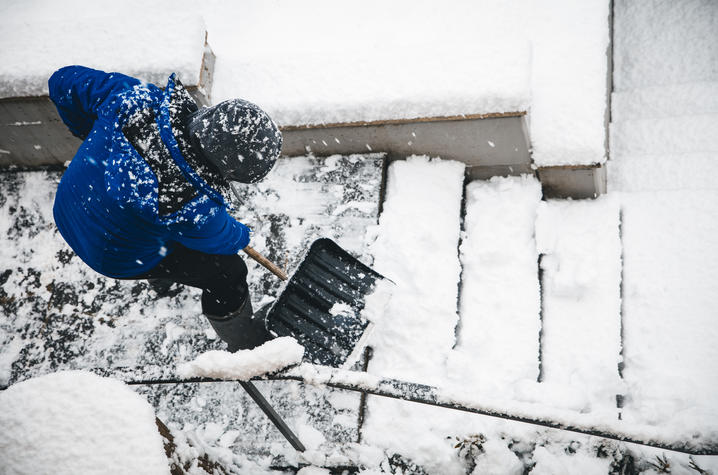
The Reason It Makes a Difference What You Should Not Do When Shoveling Snow.
Snow shoveling is not all muscle and motive. It is a physical activity that may strain your back, heart and joints when performed in a wrong way. Thousands of individuals attend emergency rooms every winter with shoveling injuries including pulled muscles, heart attacks, etc. Being aware of the pitfalls to avoid will help you to avoid harm, get rid of the snow faster, and even save time and energy in the long-run.
Here are some of the most crucial things that you should avoid doing during winter.
Taking on Too Much at Once
Among the largest errors of human beings is attempting to remove all the snow at a single time – particularly when a large storm has occurred. This comes out constructive, but it usually backfires.
Wait Not till the Snow White.
A person might think that waiting until the piles of snow are deep and heavy will save time; however, in reality, they will have to work more in the future. Light snow is far much easier to clear than wet, thick snow that has spent hours.
Why does this matter? Snow is also a lot of physical burden particularly on your back and heart. You will be safer and more comfortable, by addressing little piles of snow more often.
Misusing Your Shovel
The other mistake that is usually made is the use of bad technique or equipment. You may be having the right intentions, but a poor tool may make the task more difficult and dangerous.
Do not use a shovel that is too heavy or has the wrong size.
The shovel must not be too heavy or too large, since it will cause you to lift more than necessary – and that will create extra strain on your body.
Select the appropriate shovel: Select one that is lightweight and that has a good design to minimize strain.
Apply the right movement: Do not use your back, but your legs. Bend on the knees and do not twist your torso when throwing snow.
The most common way to get injured in the snow removal process is poor shovel technique, thus changing a heavy metal shovel to a lighter plastic or ergonomic one can be very helpful.
Ignoring Your Body’s Signals
Shoveling snow is a workout. But it was no warm up, no stretching, no pre-work preparation like at a gym session. One of the most important things not to do when shoveling snow is to ignore the way your body feels, and the reason is as follows.
Do Not Force Yourself When You are tired.
In case of sharp pain, chest pains, dizziness or shortness of breath, stop at once. These are symptoms that indicate that your body could be excessively stressed.
Instead:
Take regular breaks.
Drink water to stay hydrated.
Take a break and then go back to work.
Winter weather narrows the blood vessels and accelerates the heart rate – that is, your body is laboring more than you think it is. It does not only feel uncomfortable pushing through discomfort but it can be dangerous.
Perilous Foundations and Perilous Ground.
The ground is slippery, uneven and unpredictable during winter. This is another aspect that individuals tend to lose their footing.
Shoveling Without Shoes.
Sneakers or boots with bad treads or insulated shoes can cause you to have more chances of slipping, falling, or spending more time overcoming cold and wet feet.
Instead:
Select ice grips or good traction boots.
Wear thickens to keep warm yet be mobile.
Salt or sand to make walkways less icy and to make them more grippy.
Falls and slips, particularly on hard floors may cause sprains, breakages or even worse, so take care of your feeting first before you begin scooping.
Neglect of Safety Equipment.
Shoveling of snow is not only about the shovel. Proper clothes and safety gears are critical in ensuring that you are healthy and injury-free.
Do Not Overlook the use of protective clothing.
Warm coat and gloves are the necessity, however, it is not the only thing. Cold weather may result in numbness of your hands and feet, loss of coordination and accuracy – a factor that endangers injuries.
Wear:
Good grip waterproof gloves.
A hat or beanie to keep the body heat.
Layers that make you move around without heating up.
The right clothes ensure that you are comfortable and concentrate on the task and not cold.
Ignoring Clear Edges and Corners.
When snow accumulates at edges or curbs it is so tempting to leave untidy areas to be cleaned up later. Yet it is likely to result in increased labor and risks.
Never Forget the Finishing Touches.
Compacted snow left in edges develops a buildup which is difficult to removed in future and more likely to develop an ice at night.
Take a few extra minutes to:
Clear near curbs and edges
Clean up the snow around steps.
Look out and see whether there are icy spots.
Quitting your job in a clean way is not only more aesthetically pleasing, it also avoids the slips on your side and on other people.
When to Get Help
Snow shoveling is an ordinary task, but it is not worth losing your health. When you are not sure of your physical strength or your heart condition or have not worked out in a long time, you may seek assistance or request the services of a snow-removal company.
It is not a bad thing to get some help–particularly when it keeps you safe.
Stay Safe This Winter
It is equally important to know what not to do when shoveling snow as much as what one has to do. With these pitfalls out of the way, you can keep safe, effective and pain-free all through the season by avoiding the following pitfalls: do not do too much at once, use inappropriate equipment, or not heed the warning signals of your body.
Did you check our “Should you put ice melt down after shoveling?” post?
References
- American Heart Association – Cold Weather and Your Heart: Staying Safe in the Winter
https://www.heart.org/en/health-topics/consumer-healthcare/what-is-cardiovascular-disease/cold-weather-and-your-heart - Mayo Clinic – Winter Safety: How to Shovel Snow Safely
https://www.mayoclinic.org/healthy-lifestyle/fitness/in-depth/exercise/art-20046356 - Consumer Product Safety Commission – Preventing Injuries While Shoveling Snow
https://www.cpsc.gov/Safety-Education/Safety-Guides/Sports-Fitness-and-Recreation/Shoveling-Snow-Safely