Should You Put Ice Melt Down After Shoveling? Here’s What You Need to Know
The winter is also a beautiful period with snowy sceneries and warm evenings in front of the fire. And there goes all the beauty with the less-pleasant job of snow removal. One of the biggest questions homeowners ask each winter is: Should you put ice melt down after shoveling? The brief response is yes, with some critical considerations. In this article we will decipher the rationale of using ice melt after shoveling, the ways of doing it successfully and the methods of selecting the most suitable products in your case.
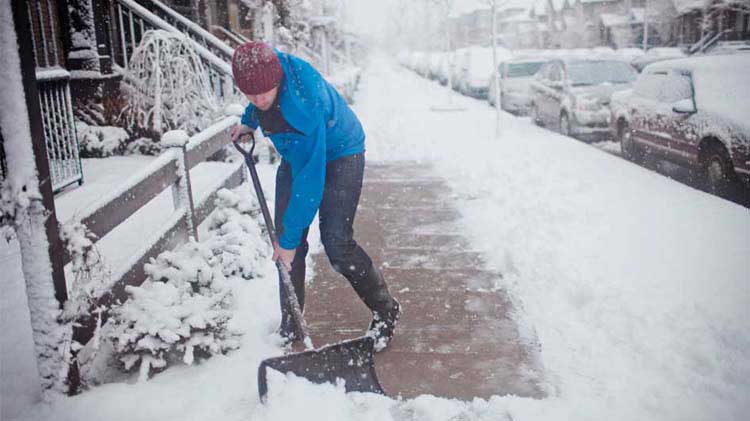
The Importance of Ice Melt after Shoveling
The initial step in the fight against slippery floors is shoveling snow, which is not always effective. Even when you have cut a clear path through the snow, there may still be the thin layer of ice. This concealed ice may be particularly perilous to:
Walkways
Driveways
Steps
Sidewalks near your home
This is where ice melt comes in. Ice melt is not merely a convenience, it is a very important measure in avoiding slips, falls and messy melting-refreeze cycles. We can take a closer look at the reasons why this is important.
The Reason and Method of Ice Melt Works
What Will You Have When You Shovel First
When you snow shovel, you get rid of the bulk of the snow. Snow however, squeezes and melts slightly below the feet and in the sun, tends to leave a smooth surface. Otherwise, you will freeze up this remaining moisture overnight as hard, slick ice.
This brings us back to the question: Should you put ice melt down after shoveling? The answer is yes.
What Ice Melt Actually Does
Ice melting reduces the freezing point of water, and thus, prevents the formation of ice by the thin layer of remaining moisture. Imagine it as a jump-start to the melting process on the surfaces in which temperatures are approaching freezing. This implies that your walkways and driveway remain safer.
Melting ice and shoveling afterwards leaves it a clean surface upon which to work. Ice melt becomes ineffective when there is still snow and slush and therefore becomes diluted or trapped in snow piles. Removing the snow before the ice melt can assist the ice melt to perform its task more effectively.
When Ice Melt Should be Applied after Shoveling
Right After You Clear Snow
Ice melt should be applied as soon as you are done shoveling. The surface is open and clean at this stage, and the product can get in direct contact with the rest of the moisture. This guarantees a quicker and more uniform melting.
When the Temps are Falling
In case the temperature is dropping rapidly following a snow fall, the ice melting can be used in preventing the formation of new ice. As noted above, a thin layer of moisture that absorbs heat will refreeze quickly, particularly on the shaded surfaces. Ice melting immediately after shoveling establishes a protective layer that is disheartening to the formation of ice.
Before a Forecasted Freeze
When the prediction is that the temperatures will be lower than the mild weather following a few days of mild weather, then it will be a good idea to use ice melt after shoveling so that the problem of the melt-refreeze will not be experienced at all. Preventing the formation of ice is always much easier than managing the ice after it has formed.
Which Type of Ice Melt is the Best?
Ice melt products are not all equal. There are those who are more solid on concrete, plants, or pets and hence it is important to select the appropriate product. These are some of the types that you will find in the market:
Rock Salt (Sodium Chloride) – This is cheap, yet not very effective at extremely low temperatures.
Calcium Chloride – Does not work in colder weather and is less efficient on icy areas post shovelling.
Magnesium Chloride – Softer on the concrete and vegetation and works well in cold weather.
Blends – The numerous products are a mix of various chemicals to strike a balance between expenses and efficiency.
In choosing the ice melt, put into consideration:
The average winter weather in your location.
Surface being treated (concrete, pavers, driveway)
Availability of pets or plants.
Ice Melt Safety and Effectiveness Ice Melt Tips
So, having figured out whether or not you should put ice melt down after shoveling, it is time to list several tips, which will help to achieve the best outcomes with the least drawbacks.
Don’t Overapply
The more the better when it comes to ice melt. Excessive usage may harm concrete, annoy the paws of pets, and injure surrounding plants. Take as directed on the label of the product and do not overdo it, a thin layer is all that is required.
Sweep Up Excess
After the ice has melted and the surface is dry, remove any remaining granules. This will minimize the damage you would have caused to your lawn and plants and save you cost on future supplies.
Protect Your Surfaces
There are even some ice melt products, which are rough on concrete, brick, and metal railings. In case you are worried, find products that are marked as concrete safe or those that are environmentally friendly.
Keep Pets Safe
When you have pets then buy a pet-friendly product and wash their paws after going outside. Salt and chemical ice melts may cause irritation to their skin or prove to be harmful in case of ingestion.
Final Thoughts: Should You Put Ice Melt Down After Shoveling?
So, should you put ice melt down after shoveling? Yes–particularly when you do not want to take the chance of slips and falls, and also when you do not want to have stubborn ice. Removing the snow is not only about having a clear path but also about making a safe passage to the family, friends, and neighbors.
With the help of ice melting immediately after shoveling, selecting the appropriate product, and responsible use, you are able to make your winter routine more efficient and safe. It does not take much planning to get ready when the temperature drops and the snow falls.
Did you check our “What is the difference between a 20V and 40V leaf blower?” post
References
- American Concrete Institute. Effects of Deicing Chemicals on Concrete and Reinforcement
https://www.concrete.org/topicsinconcrete/topicdetail/effects%20of%20deicing%20chemicals%20on%20concrete.aspx - National Safety Council. Winter Weather Safety
https://www.nsc.org/community-safety/safety-topics/weather/winter-weather - University of Minnesota Extension. Ice Melters: Safe Use on Sidewalks and Driveways
https://extension.umn.edu/winter-weather/ice-melters-safe-use-sidewalks-and-driveways - Journal of Cold Regions Engineering. Performance of Chloride-Based Deicers
https://ascelibrary.org/journal/jcreeg - ASPCA. Pet-Safe Ice Melts and Winter Hazards
https://www.aspca.org/pet-care/general-pet-care/cold-weather-safety-tips