What Are the Signs You Need a New Mattress? A Friendly Guide to Better Sleep
Have you ever gotten up feeling worse than when you went to sleep? Or perhaps you are always tossing and turning through the night, however tired you are? Then what your mattress is trying to tell you, maybe. In this article, we’ll walk through what are the signs you need a new mattress. By the end of this guide, you will be in a position to know when it is time to part ways with your old mattress and welcome yourself to more sleep.
The quality of our sleep influences almost all spheres of our lives, such as energy and mood, immunity, and productivity. And a good mattress is the beginning of good sleep. Now, then, we will examine the indicators that it may be time to change.
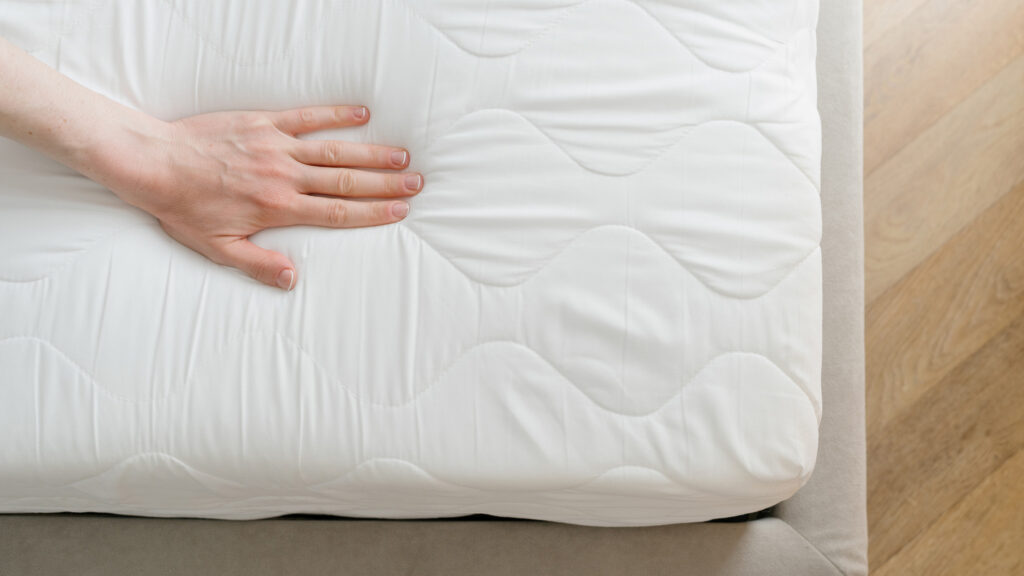
How Old Is Your Mattress?
Before we discuss the signs, it is always good to have the life span of a normal mattress. The average life of a mattress is 7–10 years according to most experts. With time, the material wears off, support also reduces, and such allergens as dust mites also build up. Even a comfortable mattress might be wearing out by the end of the 10-year mark.
Now let’s take a closer look at what the signs are that you need a new mattress. So you can make a confident decision.
Constant Aches, Pains, or Stiffness
Do you wake up sore in your neck, back, hips, or shoulders? When this occurs on a regular basis, even when you have had a full night of sleep, it is possible to the point that your mattress is not supporting your body as it should.
Once the mattress becomes soft or starts to bulge, your spine may fall out of position when you are asleep. In the long run, this causes muscle tension and pain, which cannot be solved through a simple stretch or a morning cup of coffee.
The Way Your Spine is to Be Supported
A healthy sleep means ensuring that your back rests in a natural position, just as it would be when in a standing position. When your mattress cannot support this, more particularly in the lower back, your body starts to compensate, and this may cause chronic pain in the long run.
Visible Wear and Sagging
Among the more noticeable physical symptoms is the mere observation of damage. Look for:
- Bulge or depressions over where you usually sleep
- Lumps or bumps in the surface
- Torn or frayed fabric
- Springs poking through
Although you may not be able to notice these problems at a glance, when lying on your back and running your hand over the surface, you might be able to feel where there is an uneven spot. When you often find yourself moving pillows or rolling into the center of your bed, then your mattress is probably not supporting your body equally as it used to before.
Increased Allergy Symptoms
It is easy to forget that mattresses may turn into the habitats of such allergens as dust mites, pet dander, and mould. These allergens build up over years of use, particularly when they are not cleaned or covered with protective materials, and they may cause some serious consequences when it comes to seasonal allergies or asthma.
Typical symptoms of allergies are:
- Sneezing upon waking
- Itchy, watery eyes when in bed or immediately after waking
- Nighttime congestion is worse
In case you observe sinus or breathing problems that get much better when you sleep elsewhere, such as a guest room, then your mattress may be the problem.
Difficulty in Sleeping or Sleeplessness
The quality of sleep is not only the duration of sleep, but also the quality of sleep. When you realize that you are tossing, turning, or you are getting up too many times in the night, your mattress may be a contributing factor.
These are some typical sleep disorders associated with tired mattresses:
- Being hot or cool in places
- Waking up with numbness or tingling
- Having additional pillows to be comfortable
- Sleeping better elsewhere
In case you have already experimented with sleeping schedules, room temperature, or new pillows, and you still do not feel comfortable, then maybe it is time to make your mattress the center of attention.
Alterations in Your Life or Body
There are occasions when you need a new mattress, but it is really you that needs it. The needs and bodies evolve. Lifestyle changes such as weight gain and loss, recuperating injuries, pregnancy, or the emergence of new pains and aches can render an old mattress to appear ineffective in no time.
For example:
- The firmer mattress can now be too hard following an injury
- A less firm mattress may not offer adequate support to new back pain
- Couples having varying sleeping requirements might need a new type of mattress
Knowing your current needs and how they differ from when you first bought your mattress is key to answering what the signs you need a new mattress?
You Sleep Better Elsewhere
This is, perhaps, the easiest and most informative test: do you sleep much better in another bed? Perhaps in a hotel, on the couch, or at the house of a friend? At least that is a good indication that your own mattress is not getting along with you.
In many cases, this can be made without the need to make any changes; the only thing that changed is the mattress you are lying on.
Waking Up Feeling Tired Even When You Have Enough Sleep
This is a minor yet significant indication. You may spend eight hours in bed and yet still wake up feeling exhausted. This may be a sign that your body is not getting the restful sleep it deserves, and your mattress may be one of the factors that is causing this.
A restful sleep demands regular blood flow, posture, and ease. A mattress that does not perform any of these functions keeps your body in a poor sleep cycle, and you are still tired even after a full night.
Final Checklist: What Are the Signs You Need a New Mattress?
To conclude, a quick checklist that you can apply to test your mattress will be listed:
- The mattress you have is above 7–10 years old.
- You get up with unremitting pain or stiffness.
- You observe apparent wear, hanging, or lumps.
- The effects of allergy are worse at night.
- You have disrupted or disturbed sleep.
- You sleep better than on other beds.
- The needs of your body or of your way of life are different.
When you already put on more than two of these boxes, it is time to think about a new mattress. Sleep is not a luxury; it is the basis of all the things you do.
Conclusion
Sleep influences your mood, concentration, vitality, and well-being. Your body and, therefore, your life feel it when your mattress is not doing its job. The question what are the signs you need a new mattress? isn’t just about comfort; it’s about health and quality of life.
It can be aches and pains, allergies, or no sleep, at least every indication tells a story of what is lacking in your body. Being aware of this at an earlier age will help you to resume deep sleep, refreshed mornings, and your energetic days.
And by the way, when you have a mattress that is over 10 years old, or it simply does not feel good anymore, it is time to change. Anyway, you spend one-third of your life in bed. It deserves thoughtful care.
Did you check our “Do robot vacuums clean as well as regular vacuums?” post?
References
- National Sleep Foundation – How Long Does a Mattress Last?
https://www.sleepfoundation.org/mattress-information/how-long-does-a-mattress-last - American Chiropractic Association – Back Pain Facts and Prevention Tips
https://www.acatoday.org/patients/back-pain-facts-and-statistics/ - Mayo Clinic – Dust Mite Allergy
https://www.mayoclinic.org/diseases-conditions/dust-mites/symptoms-causes/syc-20352173 - Sleep Foundation – Signs You Need a New Mattress
https://www.sleepfoundation.org/mattress-information/signs-you-need-a-new-mattress - Journal of Chiropractic Medicine – Effect of Mattress Firmness on Back Pain
https://www.sciencedirect.com/journal/journal-of-chiropractic-medicine