What Are the Risks of Using a Snow Roof Rake? A Friendly, In-Depth Guide
When it snows over, rooftops are transformed into winter wonderlands until the snow starts to weigh down and becomes a reality. It is at that point that a snow roof rake is picked up by many homeowners. As much as this tool can be very helpful, it is necessary to know what the risks of using a snow roof rake are when you begin pulling on that long pole. In this paper, we are going to take you through the main threats, how to reduce them, and the safer options that will not harm you or your property.
Being a first time owner of your own home or a veteran snow fighter, this guide will provide you with the peace of mind and useful tips that you can apply this winter.
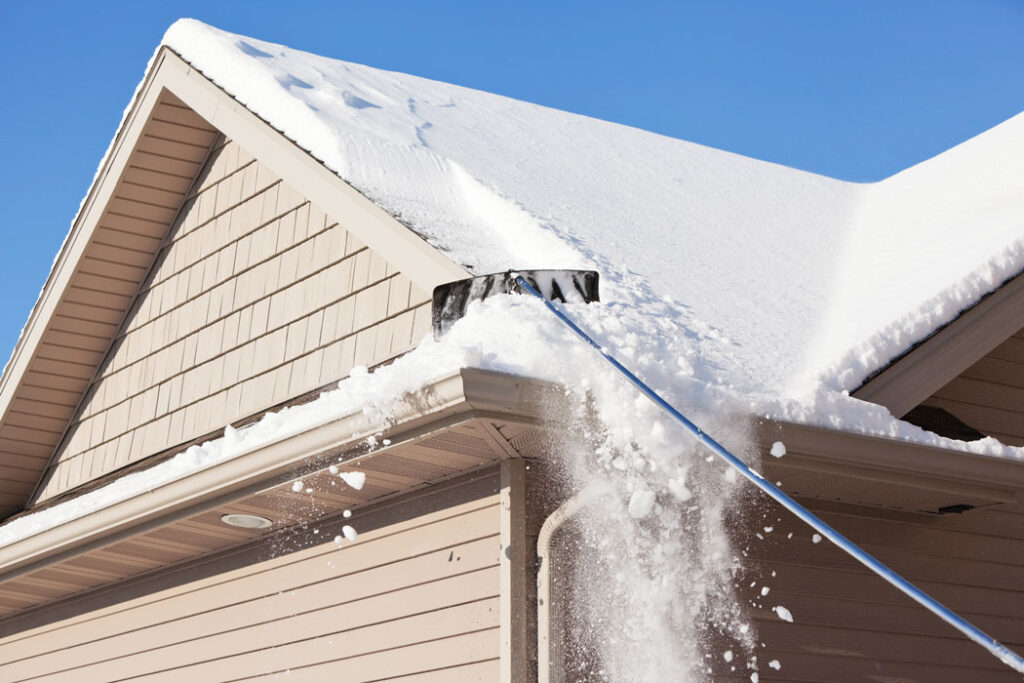
Learning Snow Roof Rakes and Their Purpose
A snow roof rake is an extended-handheld device that helps to clear a roof of snow, and you are standing safely on the ground. It is particularly common in areas where snow is frequent, and snow and ice accumulation may cause roof damage, ice dams, and even safety issues within the house.
Removal of snow on your roof can prevent:
Ice dams at the roof’s edge
Overweight burdening the roof structure.
Leakage of the meltwater to your wall or roof.
And just like any other tool in extreme conditions, there are dangers. Let’s explore them in detail.
What Are the Dangers of a Snow Roof Rake Around Your House?
Physical Strain and Injury
Physical strain is one of the most widespread threats. Although snow rakes are meant to be worked on the ground, the monotonous act of dragging heavy and wet snow on the ground may be hard on the body. Your:
Shoulders
Back
Arms
Can each of us get a beating–at least when you are not accustomed to physical labor.
When you work too hard, you might develop muscle strains, joint pains, or even more severe injuries.
Hack: Have regular breaks, stretch, and work in bits to minimize the chances of strain.
Risks of a Snow Roof Rake on Icy Surfaces
Slips, Falls, and Hidden Hazards
Snow and icy grounds are slippery in nature. When you are raking a snow roof, you are walking on a snow-covered ground that conceals uneven grounds, garden hoses, and other objects. This poses a great risk of slipping and falling.
A minor fall may result in bruises, sprains, or even more.
Safety Measure: Use well-treaded boots and think of placing non-slip mats where you are going to stand. In case of thick snow or dangerous ground conditions, it would be wise to enlist a friend to assist you in being noticed and give you stability.
Destruction of Roof and Structural Issues
The Ways Snow Roof Rakes Can Damage Your Home
The other consideration is huge since misuse of the snow roof rake may, in fact, break your roof- the very thing that you are trying to save!
The risks include:
Tearing or scratching shingles.
Scraping of roofing materials.
Loose flashing or gutters.
This becomes particularly true when you slant the rake overly, or when you are using metal parts that rub against sensitive roofing materials.
Pro tip: Use a rake with a soft, plastic blade where possible and proceed at a slow pace and be careful in order to minimize contact with roofing materials.
Falling Snow and Debris: What You Should Be Aware Of
Be Ready for the Avalanche Effect
When you clear off the snow from your roof, you are really creating a little avalanche. Snow, or maybe ice or debris, will slide down. This can cause injuries either to yourself or the bystander should they be in the same position as you are standing.
This is a risk that can be easily ignored since it is silent, and the snow falling off the roof is fast and forceful.
The safety zone tip is: Never leave any work zone under your work zone before starting. Store pets and family members far away.
What Is the Danger of Using a Snow Roof Rake on High or Multistoried Roofs
The Limitations of Reach and Angle
The majority of snow roof rakes are built for one-story houses. And, when you begin attempting to get at bigger or stiffer roofs, two more things go wrong:
You might be tempted to walk on ladders of ice or on rickety surfaces.
You might go too far, lose the instrument.
The two situations may result in severe accidents.
Option: In the case of taller or multi-level houses, it is worth outsourcing. They possess the training, equipment, and safety equipment to handle the job without endangering you.
Exposure and Hypothermia to Cold Weather
Never forget that the Weather Itself Is a Danger
The package of dealing with roof snow includes cold temperatures. Although it is important to pay attention to the physical side of snow removal, the danger of cold weather exposure, frostbite, and hypothermia should not be ignored.
Overexposure causes symptoms such as:
Shivering
Numbness in fingers or toes
Disorientation or confusion.
Wear warm clothes all the time, use gloves that are insulated, and keep yourself hydrated. In case the weather is too hot or too cold, it can be safer to wait a little longer or use the services of a professional.
Getting Ready Before You Take the Snow Roof Rake
Pre-Startup Reducing the Risks
The following are some of the real steps to prepare against snow removal:
Check your roof prior to the snowfall to check for weak areas or visible damage.
obvious paths in order to feel safe.
Light stretching of the muscles to warm them up.
Select a rake that fits in one hand comfortably and is of the right length.
A safe job and an accident may be the same thing, depending on preparation.
Safety Alternatives To a Snow Roof Rake
When Roof Rake Is Not the Optimum Choice
In case the risks are greater than the benefits, or you just do not feel comfortable enough to go at the job yourself, take a look at:
Outsourcing a snow removal company.
Fitting roof heating cables to avoid ice dams.
Attic insulation and ventilation to reduce accumulations of snow.
Such options are more costly in the short run, but both minimize the risk of injury and damaged roofs in the long term.
Concluding Remarks: The Trade-off between Snow Removal and Safety.
The snow roof rake may prove to be an intelligent solution to keep your home free of excessive amounts of snow, yet you should realize the dangers of using a snow roof rake and how to avoid them. Ice hazards, roof damage, cold exposure, and physical strain are just some examples of the dangers that are quite real but can be managed by acting prudently and keeping it to yourself.
Remember:
Safety comes first
Know your limits
Use the right tools
Get things ready in advance.
You can make your home and yourself safe throughout the winter with the correct approach and knowledge.
Did you check our EZ Smart snow roof rake review?