Do You Need to Shovel Snow Off Your Roofl? What Homeowners Should Know
Winter wonderlands can turn out to be magical, and the snow covers your lawn, trees, and the rooftops. That snow may cause a serious problem when it accumulates excessively, however pretty it may appear. One question many homeowners find themselves asking as storms hit is, “Do you need to shovel snow off your roof?” We will discuss why this question is important, when it is necessary to act, and how to be safe and at the same time keep your home secured in this article.
Now it is time to explore the facts, tips, tricks, and advice of experts to make a wise choice this winter.
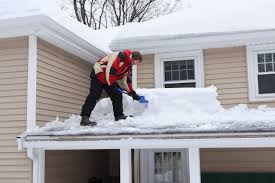
Why People Ask: Do You Need to Shovel Snow Off Your Roof?
The snow that collects on your roof is not only an aesthetic issue. Snow and ice pose a lot of structural challenges to your home, especially when they are heavy. Roofs in areas where the snowfall is common or abundant, such as in the northern part of the United States or mountainous regions, can be incredibly strained.
So, do you need to shovel snow off your roof? The real solution lies in a number of things, such as the nature of your roof, the quantity of snowfall, and the climate in the area. This does not mean that all cases should be handled by the use of force in clearing snow, but neglecting massive accumulation may cost a lot.
The Dangers of Roof Snow Removal.
Structural Damage
The roofs are calculated to bear some weight, and snow is heavy indeed. Wet snow, in particular, is much heavier than light and powdery snow. Snow that falls over and exceeds the capacity of your roof may result in roof sagging, roof cracking, or even roof collapse in severe cases.
This danger is particularly great with flat or low-pitched roofs, which do not provide the opportunity for the snow slide naturally.
Ice Dams and Leaks
Among the usual effects of snow on your roof is the ice dams. These happen when snow melts on the roof of your house as the heat radiates out of your home, and this cools down at the colder eaves. The resulting ice dam may hold water and force it underneath shingles and into your attic or walls.
This is another reason why many homeowners ask, do you need to shovel snow off your roof? Ice dams can be prevented by clearing snow before it melts and refreezes, and this will save the interior of your home.
Gutter and Fascia Damage
The heavy snow and growing ice may damage your gutters and exterior trim (fascia) of your house. The gutters can be bent by weight, or ripped off the roof line, or ice can block the gutters. These problems are not only curb-appeal issues, but also have a tendency to cause water damage to the foundation of your home.
When You Need to Think of Removing Snow.
After a Big Storm
The snowfall when it is heavy in a short time, adds weight to your roof in a short time. When the snow has gathered on your roof to the point of feet in a day or two, you would consider evaluating your roof.
If you’re wondering, do you need to shovel snow off your roof after a big storm, the simple answer is: yes–if the snow is deep and heavy. Common tips include scraping snow over 6 to 12 inches (in particular, wet snow) deep.
When Temperatures Change.
Thaw-freeze cycles cause the snow to be heavier, and they help in the formation of ice dams. When the daytime temperatures are above freezing and the nighttime temperatures are well below freezing, the snow on your roof will be smaller in size and weight. It is one of the best moments to think about snow removal.
Weak Structures and Ageing Roofs.
You should be more proactive in case your home has an older roof or one that has already exhibited wear (such as sagging or missing shingles). The best bet in such situations could be to get the snow cleared before it becomes such a big issue.
How to Safely Take the Snow off your Roof.
Use the Right Tools
To the majority of homeowners, a roof rake is the safest device to clear off snow because it is a long-handled instrument that is used to pull the snow down to the ground level. Roof rakes will assist you in clearing snow without the need to use a ladder or even walk on the roof, preventing the likelihood of falls.
When using a roof rake:
Begin at the edge and go up in a few feet at a time.
Do not pull the snow down to the level of the gutters at the same time.
Handle shingles carefully so as not to break them.
Avoid Climbing on the Roof
It is risky to step on a snowy roof. Slick floors, concealed ice, and cold weather heighten the possibility of falls. There is no need to be an expert to be on the ground.
Contact Professionals When Necessary.
When you can not reach the snow because it is too much or hard, or your roof is steep or complicated, a good idea is to request a company to take care of the snow. These professionals possess the equipment and the knowledge to safely remove snow without ruining your roof.
Eliminating Snow Problems at the Source.
Improve Attic Insulation
Proper insulation of your attic will ensure that the heat does not escape through your roof, and the quantity of snow melting and refreezing at the eaves is minimized. Adequate insulation will ensure the elimination of ice dams, as well as make your house more energy-efficient.
Ventilate Your Attic
Attic ventilation is done in conjunction with insulation to stabilize the temperature of the roof. Ventilation can be used to facilitate the flow of cold air, and as a result, the surface of the roof is not warmed unevenly.
Install Snow Guards
Snow guards are structures that are fitted on your roof to ensure that big portions of snow and ice do not slide down unexpectedly. They can be particularly useful on roofs of metal or at steeper angles.
Myths of Snow Removal on the Roof.
Myth: Snow on Your Roof Is Never Good.
It does not have to remove all the snow. Light, dry snow should not normally be a problem with your roof and can even serve as an insulator. Removal must only be triggered by heavy and wet snow or circumstances that favour the formation of ice dams.
Myth: You Must Get All the Snow blown off at a time.
It can be hazardous to clear all the snow, particularly immediately after a snowstorm. Rather, observe the situation and clear snow in strategic locations in case it becomes dangerous.
Myth: Cold Climates Only Have to Worry.
Sometimes heavy snow may be experienced even in the milder climates. So you can either be in a snowy area, or you can sometimes have such a sudden storm, so having some knowledge of snow removal and roof safety is a good thing to know.
In Conclusion:
If you’re still pondering whether you need to shovel snow off your roof, here’s the takeaway: not always–but often enough that you should pay attention during winter storms. Structural damage, ice dams, and costly repairs can be the results of snow build-up when unchecked. You can keep your home and even enjoy the beauty of winter without having to worry about it by learning when and how to remove snow, and also by using safe methods.
Also, in any case, it is better to be on the safe side and call professionals who will be able to examine your roof and do the work without exposing you to harm.
Did you check our “Can you use an electric snow shovel on gravel” post?
References
- Home Insurance Institute – Winter Roof Snow and Ice Management
- U.S. Department of Energy – Attic Insulation and Ice Dams
- National Roofing Contractors Association – Roof Safety Tips
- Consumer Reports – Snow Removal Tools and Techniques
- International Association of Certified Home Inspectors – Winter Home Maintenance Guide