Can you leaf blow wet leaves? — What you should know
It’s a common conundrum for homeowners and gardeners: can you blow wet leaves with a leaf blower? Well, the answer is: yes, you can usually – but whether you should is a different story altogether. Wet leaf blowing may be possible but it’s a lot less efficient, a heck of a lot more of a chore and even downright hazardous to boot. So it’s always worth your while to learn the trade-offs before reaching for the blower.
We’re going to explore when it makes sense to use a blower to tidy up wet leaves, when it really doesn’t, and most importantly – how to do it with the least amount of damage to your yard and the surrounding neighbourhood.
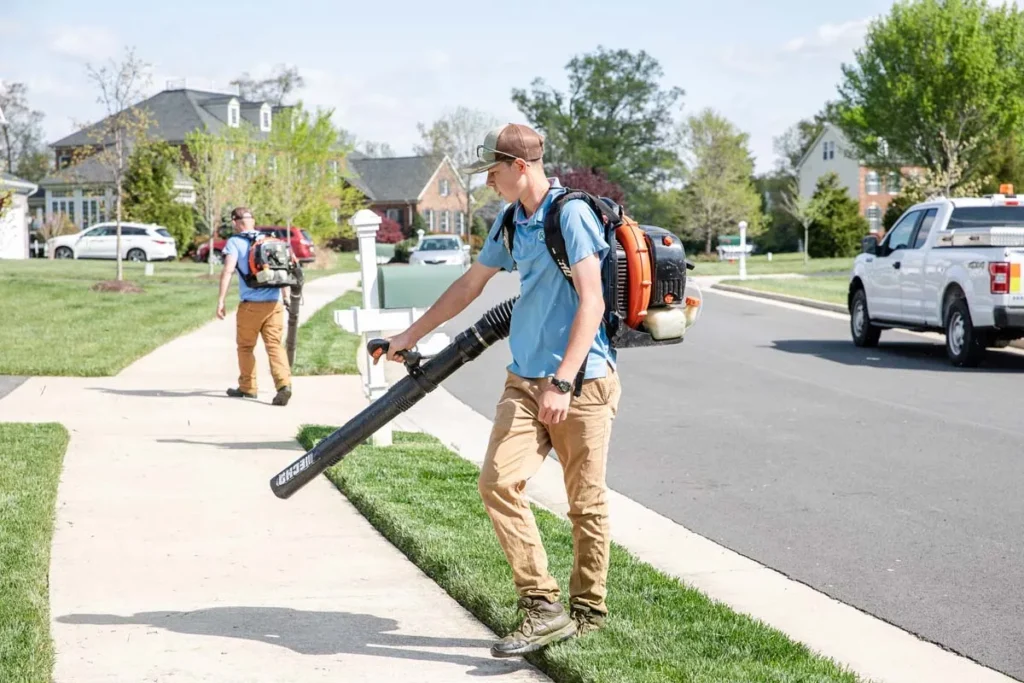
Why you probably shouldn’t blow wet leaves
You’d think that wet leaves are pretty much the same as dry ones, right? Wrong. When leaves get drenched in rain, watered or left to soak in dew overnight a number of things happen:
- Weight gain: Those extra drops of water add a ton of extra weight to the leaves so they’re far heavier than their dry counterparts. Who wants to try and blow a bunch of heavy leaves around?\
- Sticking together: Water causes leaves to cling to each other and to the ground too. So that neat pile of dry leaves you were going to tidy up becomes a sodden, clumpy mass that won’t budge.\
- Air resistance: The leaves don’t even want to budge because of the air resistance – the water and extra weight make them too dense and heavy, so your typical blower can only just rustle the edges of the leaves and not actually lift them.
Because of all these changes, it usually takes a lot longer and a lot more effort to blow wet leaves than dry ones, even though technically it can be done. Usually much less effective to blow wet leaves than dry ones, although technically it can be done.
When Can You Safely Blow Away Wet Leaves – and When Should You Hold Back?
When it’s probably okay to fire up the blower
- Not waterlogged: If the leaves are just a bit damp, maybe from morning dew or a light drizzle that’s not soaked them right through, then even a heavy-duty blower should be able to shift them with a bit of effort.
- Top-of-the-line blower: There’s a chance that really powerful blowers – gas-powered or heavy-duty electric ones – might be able to deal with damp leaves, as long as you’re not trying to clear the whole yard at once. The instructions usually suggest using blowers with massive airflow (think 500 to 600 CFM, or 150+ MPH in wet conditions).
- Clearing a path is the priority: If you need to get your driveway or sidewalk safe and clear after a rain, and the leaves are just clumped together, then a blower’s probably okay to use – even if it’s not ideal.
The Times You’re Better Off Without The Blower.
- Wet Or Waterlogged Leaves Are A Real Problem: When leaves are absolutely soaked through, or the ground is a quagmire, a blower just can’t muster up enough force, the leaves will just slide or smear across the ground rather than blow away.
- Don’t Even Think About It When Safety’s At Risk: The last thing you want is to be messing around with a blower in the wet – especially after a rain, the ground is bound to be slippery and increase the chances of a nasty fall. And there’s the added risk of electric shocks if you’re using one of those battery or corded blower things.
- Get Beyond The Garden Beds And Mulch: Blowing leaves near sensitive spots like flowerbeds, or mulch or soil is just a bad idea. Those leaves can weigh a lot when they’re wet, and you might end up upsetting the whole area. It’s best to keep the blower away from garden beds and soil as much as you possibly can.
- Consider The Impact On Your Garden Ecosystem: Blowing away leaves – whether they’re wet or dry – can have all sorts of unintended knock on effects on your garden’s wildlife and soil. For instance, you might be blowing away leaf litter that’s home to all sorts of beneficial insects, or stripping away the very thing that helps your soil retain its moisture and overall health.
What happens when you try to blow leaves when they’re wet?
There are all sorts of problems that come with trying to use a leaf blower on wet leaves – most of which are a real pain:
- Frustration city: Wet leaves stick together, so instead of blowing them off, you’re basically just shoving them around. A few leaves might get cleared, but most of them stay put. And let me tell you, this can turn into a real exercise in pushing air around a whole lot of nothing – and taking way longer than it should to get the job done.
- Your equipment’s going to take a beating: Because you’re dealing with wet clumps, your blower’s got to work much harder to get the air through – which can cause it to overheat, stall or even get clogged (especially if you’re using it in vacuum or mulching mode).
- Safety risks: Slippy floors are a real concern, and there’s also the added risk of water getting into electrical systems (if you’re using a corded blower) which can lead to all sorts of accidents.
- And then there’s the collateral damage: Wet air whipping around can pick up all sorts of debris – mud, grit, small stones – and send it flying – potentially scratching cars, windows, siding, or doing damage to plants and other surfaces.
Considering these disadvantages, most gardening manuals advise against it (although they suggest using an alternative (such as a rake) or waiting until the leaves are dry).
Advice in case you still blow wet leaves.
In case you proceed and blow wet leaves, these are some of the best practices that can be used to enhance success and safety:
- Divide the work into small parts. It is inefficient to attempt to attack the entire yard at once, and especially to attack saturated leaves. Work in manageable patches.
- Move in sweeps or soft, angled movements rather than head-on. A soft, sweeping movement can be more persuasive than a direct attack. Wear protective clothing.
- Wear closed-toe shoes, gloves, eye protection and (when using a gas blower) hearing protection. Take care particularly in wet and slippery ground.
- Do not use sensitive surfaces and delicate areas of the garden. Blow off air that is not in flowerbeds, mulch, windows or vehicles.
- Wipe your blower with a clean dry towel. Dampness and dust may lead to corrosion or mechanical problems – particularly electric/blower motors. Alternatives should be considered. A rake, shovel, or waiting till it dries the road, sometimes is a saving of time, labour, and danger.
Should you tackle the leaves when they’re wet – or put them off for another day?
So, can you blow wet leaves with a leaf blower? Yes, you can – but honestly, unless you have a super powerful blower or you’re happy to go the extra mile and take your time, it’s probably not worth it. The fact is, it’s usually quicker, easier and safer just to wait till the leaves are dry, or swap the blower for a rake – and that can be a no-brainer.
Here’s a quick decision guide:
| If … | Then … |
|---|---|
| Skip the blower; use a rake or wait to dry | Better to avoid blower — risk of debris damage too serious |
| Leaves are only slightly damp, and you have a powerful blower | You can try — but use cautious, sweeping motions and break into small areas |
| You have delicate garden beds, vehicles, or fragile surfaces nearby | Better to avoid blower — risk of debris damage too high |
| You care about environmental health or preserving leaf litter for soil/insects | Consider leaving leaves / use less-disruptive cleanup |
Final thoughts
A leaf blower can save you heaps of time – but only if the conditions are just right. But when the leaves are wet… forget it – the benefits just melt away and the job becomes a whole lot harder, more of a hassle, and a lot more likely to go wrong. There’s the risk of overloading your equipment, the danger of injury, the potential to trash your garden, and the waste of time and effort – and that’s not to mention the wasted stress that comes with it either.
Did you check our “Will a leaf blower work on snow?” post?
References
- Home Essentials Guide: Can I Use a Leaf Blower On Wet Leaves — Home Essentials Guide
- Leaf Blowers Review: What Are The Disadvantages Of A Leaf Blower? — Leaf Blowers Guide
- JourneymanHQ: Tips for Optimizing Leaf Blower Performance on Wet Leaves
- Tom’s Guide: How to use a leaf blower the right way
- The GearLand: Leaf Blower Safety Tips: Avoid These Common Mistakes