How Often Should I Replace My Robot Vacuum? Your Time and Tips Ultimate Guide.
Have you ever stood in your living room, staring at your robot vacuum docked and blinking, wondering, “How often should I replace my robot vacuum?” You’re not alone! Offering the fast development of smart home technologies and the abundance of models of robot vacuums available in the market, it is quite natural to raise this question. They are household necessities after all, but they do not last forever.
The given friendly guide will assist you in understanding when it is possible to replace your robot vacuum, what to watch, and how to make your machine last longer. You will be assured, or rather certain, by the time that this article is over, that you can tell when you need a new robotic helper and when it is time to do some minor maintenance.
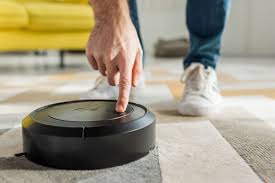
Signs You’re Asking Yourself How Often Should I Replace My Robot Vacuum?
Now, before we get into the discussion of timelines and tips, we should discuss the actual signs that your robot vacuum is coming to the end of its useful life. Not everything on robot vacs is that you have to get a new one, but it does happen.
It’s Losing Suction Power
When your robot vacuum was once an excellent dust collector but now leaves dust bunnies behind, it could be worse than a dirty filter. The filters and brushes can be replaced, but a consistent loss of suction can be an indication that the motors are aging or the internal components are becoming worn out. It is among the major indicators that should be taken into account for replacement.
Battery Doesn’t Hold a Charge
A shrinking battery life is one of the most frequently complained-about issues with older robot vacuums. When your robot is discharged in less than a quarter of its full run-time, then it is probable that the battery is being degraded as well. Some models can have the battery changed, but others do not, or the expense of a replacement battery can be as competitive as that of a newer, improved model.
It Gets “Stuck” More Often
Does your robot often become caught in corners, rugs, or thresholds that it used to move around easily? Vehicles may have sensors and wheel mechanisms that wear out. When cleaning the sensors and wheels is not effective anymore, then it might be indicative that your robot vacuum has reached its limit.
The cost of repair exceeds the cost of new.
When you have changed the parts, such as filters, brushes, sensors, or batteries, and you are still having problems, you need to consider the economics. The repair expenses can be very expensive sometimes, and it is more worthwhile to invest in a newer model that has more features.
Typical Lifespan: So, How Often Should I Replace My Robot Vacuum?
Let’s get practical. While there’s no one-size-fits-all answer to “How often should I replace my robot vacuum?”, there are general estimates that can guide you based on usage, maintenance, and model quality.
Average Lifespan (2-5 Years)
The average mechanical life of most robot vacuums is 2-5 years. The models of entry-level budgets are likely to be closer to the lower part of this scale, whereas more expensive robot vacuums with high-quality construction and features may be longer-lasting.
Why the range? Longevity depends on a number of factors:
Frequency of use: Weekly cleaning is not as fast as daily use.
Home environment: Houses that have pets, long hair, or fine dust will increase the burden on the machine.
Routine maintenance: Cleaning of brushes, filters, and sensors regularly is a way of extending the life.
Battery degradation: Every rechargeable battery has a decrease in capacity over time.
That’s why the answer to “How often should I replace my robot vacuum?” is not predetermined; it is a range that is defined by the way you use and maintain your device.
Robot Vacuum Maintenance Hints to Prolong the Life.
Robot vacuums are miniature, tireless assistants, but even assistants require attention! The following are the tips to maintain your machine that can provide it with the maximum life.
Wash the Rollers and Brushes Weekly.
Brushes and rollers can be covered with hair, fibers, and debris and strain the motor, leading to poor performance. It should be a routine to check and clean these parts. It is easy because many robot vacuums have a small cleaning tool.
Replace Filters on Schedule
The filters are used to filter out dust and allergens, but when they become clogged, suction is decreased. Look at the recommendations of your manufacturer and change filters when recommended. This is such a basic measure of performance and life-span.
Empty the Dustbin Often
Waiting until the robot vacuum tells you that its bin is full. Vacuum it out once or a few times- particularly when there are pets.
Keep Sensors Clean
Sensors assist in the navigation of your robot. Poor mapping and cleaning paths may be caused by dusty or smudged sensors. Cleanse them using a soft cloth on a monthly basis.
Should you just change parts or change the entire robot?
The older your vacuum is, the more you might be tempted to change the worn parts. It is usually a good idea–but it all depends.
When to Replace Parts
Wearing brush and filters.
Changeable and cheap batteries.
Swapable wheels or sensors.
Replacing them can give your robot a second life and increase the number of years of its usefulness.
How to replace the whole Robot.
In case the core suction system has deteriorated a lot.
Battery prices are as high as a new vacuum.
In case navigation and mapping technology is not up to date.
In case repairs are costly and frequent.
At this stage, it is usually logical to buy a new robot vacuum, particularly due to new technologies such as more intelligent mapping, increased battery life, and more efficient controls through apps in recent models.
The Future of your next robot vacuum.
If you’re thinking, “Okay–How often should I replace my robot vacuum? I would like to ensure that my next one will last longer!–The following are some of the tips that can be used to future-proof your purchase:
Select a well-known brand: Branding known brands can give superior support and spare parts.
Find replaceable batteries: The ability to replace a battery can lengthen the life of the device.
Due consideration to serviceability: Determine whether there are user-replaceable components, and whether they are simple to install.
Read reviews to get durability: Real-life reviews allow you to estimate performance over time.
Concluding Remarks: There is No One Right Answer.
So, how often should I replace my robot vacuum? The truth of the matter: it will be dependent on how you use it, how you will maintain it, in which environment you are living at home, and what model you have. The lifespan of most robot vacuums is 2-5 years, although with proper care, the gadgets can be extended.
Monitor the changes in the performance, conduct regular checkups, and measure the costs of repair against the newer models. Once your robot begins to work harder than it cleans, it is likely time to find out what is new and make your house cleaning routine smarter and easier.
Did you check our “Can I leave my pool robot in the pool all the time?” post?
References
- Consumer Reports – Robot Vacuum Buying Guide
https://www.consumerreports.org/appliances/vacuum-cleaners/buying-guide/ - Wirecutter – The Best Robot Vacuums
https://www.nytimes.com/wirecutter/reviews/best-robot-vacuum/ - CNET – How Long Do Robot Vacuums Last?
https://www.cnet.com/home/kitchen-and-household/how-long-do-robot-vacuums-last/ - Reviewed – Robot Vacuum Buying Guide
https://www.reviewed.com/vacuums/features/robot-vacuum-buying-guide - TechRadar – Best Robot Vacuums and Maintenance Tips
https://www.techradar.com/best/robot-vacuums