How to Choose the Right Pool Vacuum Cleaner: A Friendly, In-Depth Guide
Having a swimming pool is one thing – but the fact that it is a routine maintenance nightmare is another. Soon after, you are left wondering how to maintain the water clean, sparkling and safe without causing a dent in your pocket. A good pool vacuum cleaner is one of the most important pieces of equipment that you will require. We will take you through the steps of selecting the appropriate pool vacuum to fit your pool and cleaning requirements, in this guide without subjecting you to too much technical lingo. You might have a tiny back garden pool or a huge and irregular in-ground pool, you can count on this article to make an informed choice.
The bottom line on robotic solutions to swimming pool care is that they can do a superb job of cleaning the surface of the pool and clearing the leaves off.
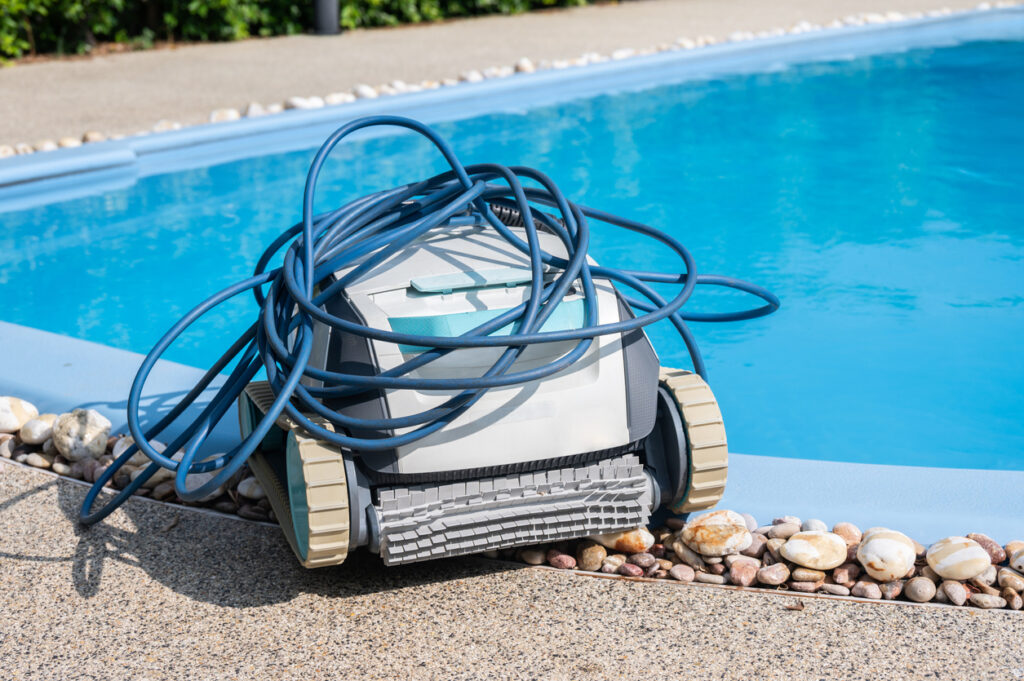
The Reason Why Selecting an Ideal Pool Vacuum Cleaner is Important.
There is much more than a pool vacuum cleaner picking up leaves. It is a major contributor to the maintenance of your water clean and hygienic, a check on your use of chemicals, and a control on maintaining the maintenance work within control.
- Cleanness of water: A vacuum cleaner will take away the dirt, fine particles and all the organic debris that can proceed to create algae or bacteria growth.
- Reducing the amount of chemicals: The smaller the amount of grime and debris in the water, the more you can easily get by with fewer chemicals to maintain a balance.
- Saves time and effort: You can just leave the cleaning to automatic or robotic vacuums who can save you a lot of time and hours.
However, to get all these advantages, you will have to have the right vacuum to your pool – and that is to match the vacuum with the size of your pool, its shape, and your lifestyle.
Selecting the Best Pool Vacuum Cleaner.
When you are considering which kind of perfect pool vacuum to buy in your pool, the first thing that you need to do is to determine what type of vacuum you need in your pool. The automatic vacuums are mostly of three kinds and one can always do it manually.
Suction-side Vacuums
These are attached to your existing pump or skimmer system of your pool and vacuum the debris. These tend to be relatively cheap and do well on finer dirt and sand, particularly in pools of a simple shape. Pluses: It can be set-up cheaply and easily.
Disadvantages: Have trouble with larger debris (e.g. leaves or sticks) and may cause additional wear to the pump, not good with complex pools or deep pools.
Pressure-side Vacuums
These utilize the water pressure of a booster pump or return line to pump debris into a separate container. They are more effective with larger junks and heavy loads.
Advantages: It can be used on leaves and heavy loads; it will decrease the workload on the primary filtration system.
Cons: It needs a separate pump or line; may be more expensive to install and maintain; may simply be excessive in pools that receive only small amounts of dirt.
Robotic Vacuums
They are independent devices that operate on electricity (or a battery) and include such features as navigation, scrubbing brushes and good filtration. Their ease of use is the reason why they do not rely on your pump or filtration system, they are extremely easy to operate and are likely to get the job done in a short time, but at a relatively high cost.
Advantages: Excellent at cleaning your entire pool (the walls and the water line included), does not need much manual labor, good suction and scrubbing, ideal on large or oddly shaped pools.
Cons: It is a little more expensive in the short run; requires monitoring the power source; and could require proper storage of the same after use.
Manual Vacuums
They are the ones that you attach a hose and get your hands dirty. These tend to be the least expensive ones, but who wants to spend his or her Saturday afternoon vacuuming the pool anyway? They are the most suitable in small pools, quick wash or when you have to clean up a particular area.
Pros: You can choose your location and method of cleaning, it is super cheap, and it can be used in little pools or when you just need a quick clean.
Cons: Oh, it is a lot of work; time consuming, is a gamble somewhat as to whether you are effective or not.
The most important things to be taken into account when selecting a pool vacuum.
You have reduced the types, but that is only the beginning line. You have to consider the way it will fit your pool and your personal cleaning routine to select the appropriate one. These are the giant considerations to put in mind when you begin considering the type of pool vacuum to purchase:
Pool Size, Shape, And Surface
Pool size and volume: When you have a large pool with different depths or large areas of surface, it is likely that a robotic or pressure side model will be your ideal choice. These provide the suction and the coverage that you require to make it clean.
Pool shape and obstacles: Does it have a pool with stairs, unusual shape or built in? You have a friend in a robotic cleaner that has good navigation. They are also good at negotiating through mangled pools.
Surface of the pool: The surface of the pool is a dream to suction or pressure cleaners, a super smooth surface (vinyl, smooth liner, the works). When you have tile, mosaic, rough stuff, such as that, you will need a vacuum with some scrubbing power and a little more oomph to get the dirt out.
What Type of Rubbish You have to Deal With.
Fine dirt, sand, dust: When you are dealing with this type of dirt, then you are better off with a suction side or a robotic vacuum that can work with the fine dirt.
Leaves, twigs, big stuff: And you would like a pressure side model, or a robot vacuum with a serious suction force – it is easier to move the big stuff out of the way.
Algae, accumulated grime: When you are dealing with algae or hard grime deposits, then you should have a model with some serious cleaning ability; in most cases, a robotic model can do it.
Budget, Convenience and Maintenance.
Money vs. long-term value: Suction and pressure vacuums are inexpensive in the short term, but a robot vacuum could save you money in the long-term as it is less expensive to maintain.
Ease of use and maintenance: Do you not like to fiddle with complex constructions or emptying filters, then seek a low-maintenance and easy-to-use vacuum.
Energy and maintenance: Robotic vacuums consume power – but they do not put a strain on the equipment of your pool. Suction vacuum, in its turn, is based on filtration of your pool, which might cause additional wear and tear.
Cool Extras to Look Out For
These additional features are not mandatory, but can prove to be a significant difference:
Smart navigation/mapping: This will be a game-changer to robotic vacuums – it implies that they will be able to map their path and evade any obstacles with ease.
Scheduling/automation: In case you want your pool cleaned and not to lift a finger, then seek a model that has a scheduling or automation.
Large filter or debris bag: When you have a lot of debris then you would want a vacuum with a large filter or debris bag – you save yourself a lot of emptying!
Climbing and wall scrubbing: These are handy in case you have a pool with vertical walls or slopes – these vacuums can climb up and clean the difficult areas.
Find the Right Vacuum to Match Your Pool: Real Life Situations and a Few Good Recommendations.
To add some real-life muscle to the process, consider the following pool scenarios and determine what pool vacuum will be more likely to accomplish the task:
Small overhead pool or some little water feature that is receiving a lot of fine dirt and grime: A manual vacuum or suction-side vacuum will normally do the job.
Medium sized pool which receives a few leaves or so and is a plain rectangle: A suction side or pressure side vacuum would be useful here: it is a nice compromise between cost and convenience.
Weird-shaped in-ground pool or excessive steps, or pool full of leaves, twigs, algae or fine dirt: A powerful robotic vacuum cleaner with a powerful suction, a little scrubbing and good navigation skills is likely to be worth the expense.
Right under a few trees, and there is a lot of debris after storms or seasonal leaf fall: A vacuum on the pressure side would be more efficient, or a robotic vacuum with the capability of dealing with larger debris.
The pitfalls to avoid when selecting a pool vacuum.
Look out that when you are trying to decide on what pool vacuum to select, beware of the following gotchas:
Purchasing the most inexpensive one that you can without considering whether it is compatible with a pool: You will have a suction-only vacuum that will not work well with large pools, deep ends, or rough bottoms.
Disregarding the shape of the pool or barriers: Not every vacancy will be able to cope with stairs, curves, or in-built objects, so when your pool is not a rectangular shape, make sure you get a model with a good sense of direction.
Not understanding the extent of maintenance these things require: Certain vacuums require filters, hose or baskets to be cleaned on a regular basis or their performance will be down the drain.
Failure to consider long-term expenses: Yes, a low-priced vacuum may help save you some cash in the short-run, but it may not be as efficient, or consume more power, or require more maintenance in the long-run.
Failure to take into account the kind of debris you are dealing with: Vacuums that work well with fine dust do not necessarily work well with leaves or gravel – and the reverse.
Put some thought into it upfront & you’ll be saving yourself a whole lot of time & hassle down the line – and your pool will be healthier, clearer, and a lot less of a pain in the neck.
The Ultimate Guide to Selecting the Perfect Vacuum: A Step-By-Step Guide.
Measure your pool – length, width, depth, etc. – and make a note of any details such as stairs, slopes or benches.
Calculate what you clean the most frequently – fine dust, leaves and twigs, algae or grime?
Choose the degree of effort you want – are you going to do it by hand, or do you want some sort of automated, hands-off?
Weigh cost vs benefits – there are other vacuums that are more expensive in the short-term, however, may save you time and money in the long run.
Ensure it fits your pool surface, shape and filtration system or plumbing that is already in place.
Evaluate any other attributes – navigation, brush systems, filtration capacity, and ease of maintenance.
Read reviews or consult people who have one – those who have pools like yours. The practical performance demonstrates a significant number of advantages and disadvantages that the specifications do not even mention.
Final Thoughts
Whether you are asking yourself which pool vacuum cleaner is suitable to you, then you should not worry it is all about your pool and what you actually need and want. The perfect pool vacuum is nonexistent – what is great in a small pool in the backyard might be completely ineffective in a large, shaggy in-ground pool where there are a couple of large trees hanging over it.
A suction-side vacuum is the most popular place to begin since it is an excellent way to enter the vacuum market without emptying the wallet. However, when you have a pool that is being really beaten up by the leaves and twigs, or just a simple old dirt and debris, then a pressure-side vacuum will be a better choice. And in case you need something that simply makes life easier, then you should buy a robotic vacuum – they are incredibly convenient and do their job with the minimum of noise.
It is all about making a compromise between what you would like to spend, the amount of effort you are ready to invest, and the extent to which you require the item to clean.
Did you check our “Will a leaf blower work on snow” article?
References
- The Essential Guide to Pool Vacuums: What They Are and Why You Need One — Gizmo Cleaning. Gizmo Cleaning
- Best Pool Vacuums 2025 — Forbes Vetted. Forbes
- Basic Advantages of Automatic Cleaners — Best Vacuum Expert. Best Vacuum Expert+1
- Manual vs. Automatic Pool Vacuums: Which is Better? — Beatbot. beatbot.com
- The Most Complete Guide to Automatic Pool Cleaners — JardineriaOn. Jardineria On+1